When to Wait and When to Worry About Learning to Read
As a parent, it’s incredibly hard to know whether your child’s learning struggles are part of normal development or a sign that they need extra support. One child in your child’s class reads chapter books. Another avoids reading entirely. Your child falls somewhere in between, and you’re left wondering: Is this typical, or should I be concerned?
This question comes up in almost every conversation I have with families. The good news is that there are clear patterns that can help you tell the difference between normal variation and early warning signs, especially when it comes to reading.
What is considered typical learning development in early reading?
Typical reading development follows a predictable sequence, even though children move through it at different speeds. Most children progress from sound awareness to decoding, then to fluency and comprehension, with steady growth along the way.
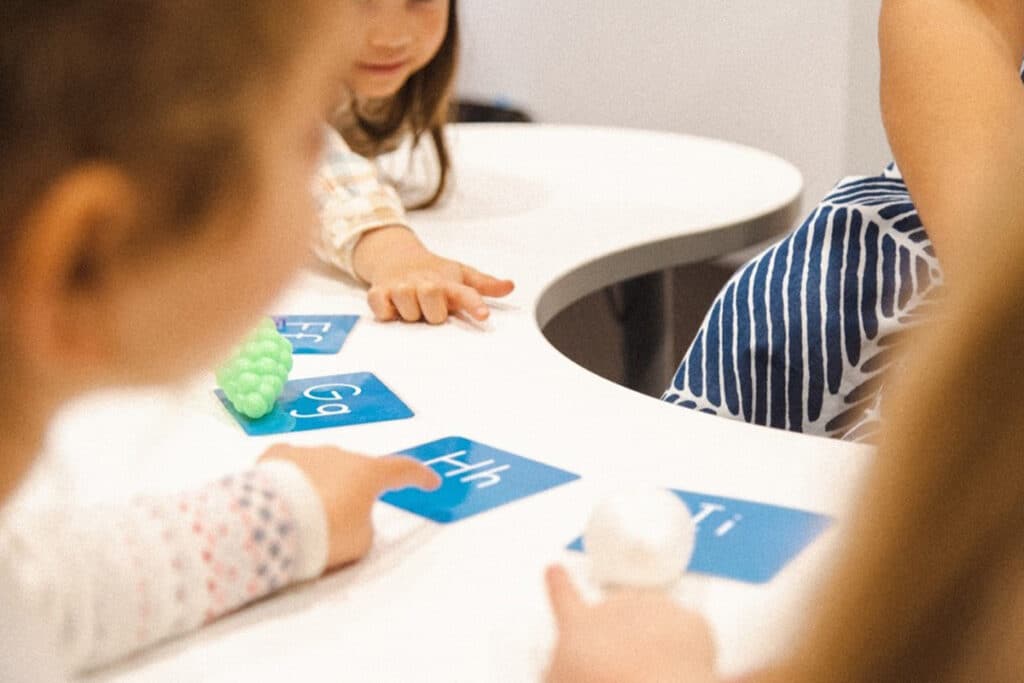
In preschool and kindergarten, typical development looks like curiosity about letters and sounds, enjoying being read to, recognizing some letters, and beginning to play with rhymes or sound games. Early reading often sounds choppy and slow, which is expected as the brain learns to connect sounds to print.
By grades 1 and 2, most children are actively sounding out words, reading simple books, and gradually becoming smoother and more confident. Mistakes still happen, but progress is noticeable over months rather than days.
By grades 2 and 3, reading usually becomes more automatic. Children read with greater fluency, understand what they read, and begin reading to learn new information.
Progress does not mean perfection. It means forward motion over time.
How much struggle is normal when learning to read?
Some struggle is not only normal, it is necessary. Learning to read requires the brain to do something it was never naturally wired to do. Productive struggle includes sounding out words slowly, making errors and correcting them, and needing repetition before skills stick.
What’s typical is effort paired with gradual improvement. A child may find reading hard at first but becomes more capable with consistent, explicit instruction and practice. Confidence may wobble occasionally, but it rebounds as skills grow.
What’s less typical is when struggle stays intense and unchanged for long periods, even with support.
What are common signs of typical development (even if learning feels slow)?
Children who are developing typically may still move slowly, but they show certain reassuring signs. They respond to teaching, even if progress is gradual. They can learn new skills with repetition. They are able to explain how they figured out a word, even if it takes time.
You may notice uneven development, where one area is strong and another lags behind. This can feel alarming, but unevenness alone is not a red flag. Growth often happens in spurts.
Another reassuring sign is flexibility. A child who can try again, use a strategy, or accept help is often building the foundations they need, even if reading is not yet fluent.
When should parents be concerned about learning development?
Concern is less about age or grade level and more about patterns. Red flags appear when progress stalls, not when it is simply slow.
If your child avoids reading intensely, guesses instead of sounding out words, forgets skills they previously learned, or shows high frustration or anxiety around reading, it’s worth paying closer attention. Difficulty identifying or manipulating sounds in words, trouble learning letter-sound relationships, or ongoing challenges with blending sounds together are also important signals.
Another key sign is when practice does not lead to improvement. If you are reading regularly, working on phonics, and following school recommendations, but your child is not making measurable progress over several months, that deserves a closer look.
Why comparing your child to others is misleading
It’s tempting to compare your child to classmates or siblings, but this often creates more confusion than clarity. Children bring different experiences, temperaments, and learning histories to reading.
What matters most is not where your child falls compared to others, but whether they are moving forward in a healthy way. A child who starts behind but progresses steadily is often in a stronger position than a child who appears “on level” but is guessing or masking skill gaps.
How parents can assess without panicking
Instead of asking, “Is this normal?” try asking more specific questions. Is my child making progress over time? Can they learn when skills are taught clearly and systematically? Do they understand how reading works, even if it’s still effortful?
Short check-ins can help. Listen to your child read and notice whether they rely on pictures or context instead of decoding. Ask them how they figured out a word. Watch their confidence. Skills and self-belief tend to grow together when development is on track.
What to do if you’re unsure
If you’re on the fence, that doesn’t mean you’re overreacting. It means you’re paying attention. Early support is not about labeling or rushing to conclusions. It’s about making sure your child has the right tools before frustration sets in.
Even small, targeted adjustments can make a big difference when they happen early. Support does not mean something is “wrong.” It means you’re choosing clarity over guesswork.
If you’d like guidance on what skills matter most and how to support them at home, start with the Raising Thriving Readers Made Simple guide. It walks you through what to focus on, what to ignore, and how to feel confident about your next steps.
👉 https://thrivingreaders.com/made-simple-free-guide
If concerns persist, a free consultation can help you understand whether what you’re seeing is part of typical development or a sign that more structured support would help.
👉 https://thrivingreaders.com/free-consultation
